Experiencing a break-in can be a terrifying and unsettling event. Knowing what steps to take immediately after discovering an intruder has entered your home is important for ensuring your safety and securing your property. In this blog, we’ll guide you through the essential actions to take if someone breaks into your home, from contacting the authorities to safeguarding your personal belongings and addressing the emotional aftermath. Stay informed and prepared to protect yourself and your loved ones.
- Create an emergency plan and communicate it to your family
- Establish a code word for your family
- Choose a designated safe room in your house
- Selecting the Room
- Secure Door and Lock
- Window for Escape
- Barricading
- Communication
- Emergency Supplies
- Family Meeting Point
- Practice and Education
- Stay Quiet
- Swiftly assess if evacuation is feasible, and promptly exit the house if it can be done
- Act swiftly if escape is not possible during a burglary
- Call emergency services (000 Australia) for help and stay in the safe room
- Cooperate and avoid confrontation with the intruder
- Speak to your insurance provider to initiate the process of filing a claim for theft if needed
- Other FAQS

Most burglaries occur when the house is empty, as burglars aim to get in and out quickly without causing harm. However, 20% of house break-ins happen when someone is home. In these cases, the police recommend that your first course of action should be to leave your home. Of those who were home during a break-in, 12% of households had the perpetrator confront someone.
Different types of burglars operate at different times: professional burglars often prefer daytime when residents are away, while opportunistic thieves may target homes at night, using darkness as cover.
Here are some guidelines you can follow in the event of a burglar breaking into your home:
Create an emergency plan and communicate it to your family
Proper preparation reduces the likelihood of panic and danger coming to the forefront during a burglary. Follow these steps to ensure all the residents in your home know what to do in the event of a burglary:
- Identify all possible places you can exit your home, i.e. the front door, garage, and back door.
- Designate a meeting spot or safe space for all residents in your home.
- Consider different scenarios, such as family members getting separated or compromised meeting spots/exits. Have a solution for all the various scenarios and make everyone aware of what they should do. For instance, if the back door is compromised, use the front door to exit the home instead.
- Establish a daily routine of setting an alarm system and checking doors and windows are locked when leaving the home.
- Involve children in creating the plan so they are aware of what should happen in the event of a burglary.
- Hold a family meeting to discuss emergency procedures.
- Set up a meetup spot outside the home where all residents should meet after exiting the home.
- Choose an emergency contact person, such as a neighbour or relative who lives close by.
- Help children memorise important information, such as phone numbers and addresses.
- Familiarise everyone with the layout of the home and ideal escape routes.
Establish a code word for your family
Using a code word for emergencies is a valuable safety measure. A serious and straightforward code word can help ensure that everyone in your family understands the urgency and seriousness of the situation. This helps prevent any confusion or misunderstandings during critical moments. Military experts recommend simple phrases, such as ‘GET TO SAFETY’ or ‘RUN’. It’s important to avoid using fun or friendly phrases for the code word as this may not have the same impact. Always reserve the code word exclusively for real emergencies.
Choose a designated safe room in your house
Creating a safe room is an important step in ensuring your family’s safety during a break-in or similar emergency. Here are some key points to consider when setting up a safe room:
Selecting the Room
Choose a room that has a sturdy door and minimal windows. This makes it more difficult for intruders to break in. A bedroom or a study with a solid door can be a good choice.
Secure Door and Lock
Make sure the door to the safe room is strong and secure. Reinforce it if necessary. Install a deadbolt lock or a heavy-duty lock for added security.
Window for Escape
If possible, choose a room with a window that can be used as an alternative escape route. However, ensure the window is not easily accessible from the outside.
Barricading
Place a heavy piece of furniture like a bookshelf or dresser near the door. This can be used to barricade the door, making it more difficult for intruders to enter.
Communication
Having a means of communication is important. While a mobile phone is helpful, consider having a landline telephone in the safe room as well. Landlines are generally more reliable during emergencies and don’t rely on battery power.
Emergency Supplies
Stock the safe room with essentials like water, non-perishable food, a torch, first aid supplies, and any necessary medications.
Family Meeting Point
Have a designated family meeting point, possibly outside your home, in case you’re separated during an emergency.
Practice and Education
Regularly discuss and practice your family’s emergency plan, including the use of the safe room. Ensure that all family members are familiar with its location and procedures.
Stay Quiet
In case you retreat to the safe room, keep noise to a minimum. Avoid drawing attention to your location.
Remember that personal safety should always be the top priority. If you believe there’s a threat to your safety, it’s best to follow your instincts and take the necessary precautions to protect yourself and your loved ones.
Swiftly assess if evacuation is feasible, and promptly exit the house if it can be done
Firstly, assess if escape is a viable option. If it is clear where the burglar is, find an exit route that avoids their path. It’s advisable to exit through a back door, window, or fire escape if possible. Immediate escape is important, especially if the intruders are armed. If the burglary’s location is unknown, ensure it’s safe before taking action. Grab mobile phones and car keys if easily accessible before leaving. If exiting from an upper-floor window, be careful to avoid injury.
Act swiftly if escape is not possible during a burglary
Listen carefully and try to determine the burglar’s location and their movements in the home. You can then use the family codeword to alert everyone to gather in your designated safe room. Do this cautiously and avoid drawing attention to yourselves while moving to the safe room. You can utilise smart speakers and watches to automate emergency calls to the police. If hiding is necessary, try to find a room with a locking door. Remain in the safe room until it is confirmed safe to leave.
Call emergency services (000 Australia) for help and stay in the safe room
Once you are somewhere safe, call the police and explain that someone has broken into your home. You must be clear when you explain what is happening. Although you could be feeling panicked, try to be concise.
Follow the instructions of the operator and remain on the line. If you are in a safe place and can see the burglar, try and give details on their appearance and clothing. If they have used a vehicle to get away, describe it as much as possible, as this information could help the police significantly. Do not leave the safe room until the police arrive.
Silence outside the door does not guarantee the intruders have left. Wait for the operator to confirm the scene is clear and an officer has arrived. It’s important to call the authorities regardless of whether the intruder is still inside or has left.
Cooperate and avoid confrontation with the intruder
Ideally, the previous steps will prevent any direct interaction with the burglar. If not, cooperate and avoid confrontation with the burglar. It’s best to try and stay calm and comply quietly and politely with their demands. Do not make physical or verbal threats, as you can endanger yourself and other residents. Allow the burglar to take belongings and valuables if possible, and remember that personal safety is more important than possessions.
Please note:
If the burglar confronts you with a weapon, use the “run, hide, fight” method. Running away is the priority, followed by hiding. Fighting back should be a last resort, using available means of self-defence.
Speak to your insurance provider to initiate the process of filing a claim for theft if needed
After the incident, address the emotional, physical, and financial consequences. You can then assess the loss of valuable items and potential damage to the home. Home and contents insurance usually covers burglary-related costs, minus the excess. Coverage may include stolen item value and repair expenses for damage caused during the break-in. Review your insurance policy to understand the specific coverage you have.
It’s then time to start collecting evidence of the burglary, such as photographs of the damage. Create a comprehensive list of items that require repair or replacement. You can then file a claim with your insurance provider, providing the necessary documentation and evidence.
Other FAQS

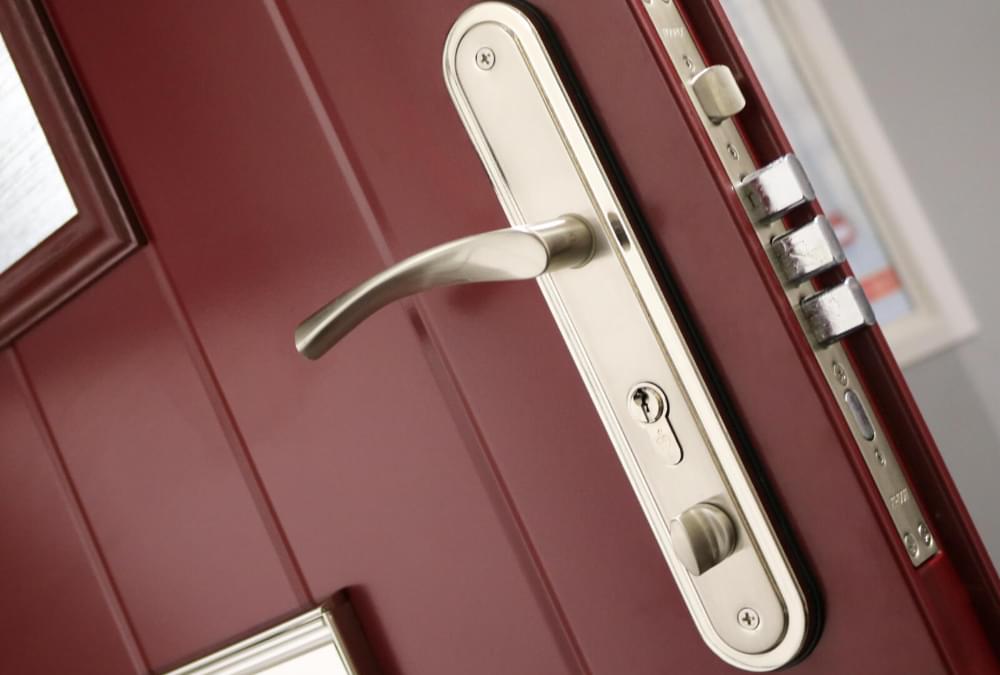
Protect Your Home with Our Premium Steel Security Front Doors and Frames
Your family’s safety starts with prevention. Our Steel Security Front Doors deter intruders, resist forced entry, and offer 24/7 peace of mind. Built for strength, durability, and style, they’re your home’s first line of defence.